Why Choose OEM Car Parts? Prolong Your Vehicle's Endurance and Reliability
Going with OEM car parts can considerably impact vehicle durability and performance. These components are engineered to meet precise manufacturer standards, ensuring a precise fit and superior performance. By choosing OEM parts, owners can boost reliability and cut down on the odds of future repairs. However, the decision between OEM and aftermarket options often poses dilemmas. What factors should be examined when deciding between options? Understanding the effects can lead to more well-informed decisions.
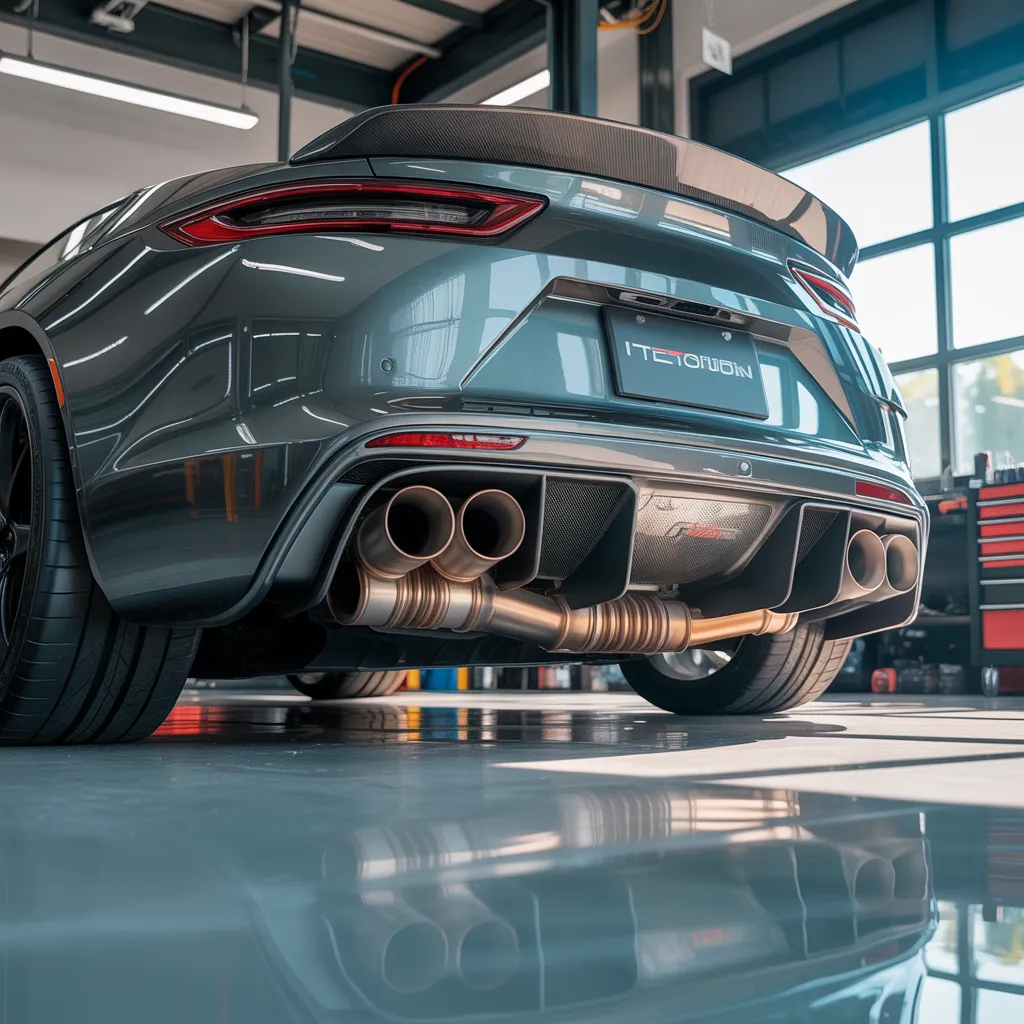
The Role of OEM Parts for Your Car
When looking at car servicing, many owners dismiss the significance of using OEM (Original Equipment Manufacturer) parts. These components are deliberately fashioned to meet the original specifications of the vehicle, ensuring compatibility and maximum performance. Unlike secondary market components, which may fluctuate in durability and compatibility, OEM parts present a secure option that respects the manufacturer's standards. get started This adherence not only enables sound function but also protects the vehicle's warranty coverage.
Additionally, using OEM parts can increase the vehicle's longevity. These parts are created from superior quality materials, built for strength and endurance. Consequently, they often generate fewer maintenance needs and swaps over time. Furthermore, the use of OEM parts can also strengthen resale potential, as potential buyers tend to prefer vehicles kept with original parts. In summary, the value of OEM parts is undeniable, as they significantly impact vehicle upkeep and reliability.
OEM parts are designed with exact precision, ensuring peak performance and reliability for automobiles. Their guaranteed compatibility with specific makes and models strengthens safety by minimizing the risk of malfunction. Moreover, many OEM parts incorporate advanced safety features that promote comprehensive vehicle safeguarding.
Precision Manufacturing Gains
OEM car parts crafted with precision manufacturing greatly improve vehicle performance and safety by making sure each component meets the manufacturer's precise specifications. These parts are created with meticulous attention to detail, allowing for smooth integration into existing systems. As a result, vehicles equipped with OEM components enjoy better handling, responsiveness, and an overall superior driving experience. The sturdiness of these parts also adds to increased safety, lowering the chances of failures that could lead to accidents. Moreover, OEM parts undergo rigorous testing to meet safety standards, offering peace of mind to drivers. By investing in precision-engineered OEM parts, vehicle owners can guarantee exceptional functionality and reliability, ultimately prolonging the lifespan of their vehicles while focusing on safety on the road.
Confirmed Compatibility Promise
The incorporation of OEM car parts ensures compatibility with a vehicle's current systems, a factor that significantly improves both efficiency and safety. These parts are engineered to satisfy the exact specifications established by the manufacturer, ensuring seamless incorporation. This precision reduces the likelihood of malfunctions that can arise from using non-OEM components, which may not fit or function properly. By preserving the initial design and engineering standards, OEM parts help preserve the vehicle's intended efficiency, resulting in improved performance and dependability. Additionally, this consistency reduces the risk of wear and tear on other components, thereby extending the vehicle's lifespan. Ultimately, choosing OEM parts promotes a more dependable driving experience while guaranteeing that all systems operate harmoniously.
Improved Safety Elements
Picking OEM car parts greatly improves safety features in automobiles. OEM parts are designed specifically for each vehicle model, ensuring excellent fit and operation. This exactness helps copyright vital safety systems such as braking, steering, and airbag deployment. For instance, OEM brake pads offer steady stopping power, minimizing the risk of accidents. In addition, OEM parts go through rigorous testing standards, ensuring that they meet or exceed safety regulations. This dependability strengthens the comprehensive operation of safety mechanisms, ultimately protecting occupants during a collision. Moreover, using OEM components can prevent secondary issues arising from incompatible aftermarket parts, ensuring the vehicle operates as intended. Consequently, selecting OEM parts is a prudent choice for improving both capability and safety.
The Case for Picking OEM Rather than Aftermarket Parts: A Comparative Review
When considering vehicle maintenance and repairs, the distinction between OEM (Original Equipment Manufacturer) and aftermarket parts is key. OEM parts are specifically made for a particular vehicle make and model to provide perfect fit and performance. On the other hand, aftermarket parts may differ in quality, compatibility, and performance as they are produced by third-party manufacturers.
One primary advantage of OEM parts is their compliance with stringent manufacturing standards, often producing higher durability and dependability. This can be especially important for critical components where paramount performance matters. Additionally, using OEM parts typically preserves the vehicle's resale value and warranty, as they maintain the manufacturer's requirements.
On the other hand, while secondary components may present cost savings, the probable concerns include reduced quality and higher propensity of premature failure. Consequently, motorists must deliberate the benefits of OEM parts against the uncertainties of aftermarket alternatives when selecting repair approaches.
Long-Term Savings With OEM Parts
Opting for OEM parts can lead to significant long-term savings for vehicle owners. By lowering repair costs and enhancing the car's market worth, these parts provide financial benefits that go beyond the initial purchase. Ultimately, investing in OEM parts may prove to be a wise option for those seeking to maintain their vehicle's performance and worth.
Reduced Maintenance Costs
Buying OEM car parts can provide considerable long-term financial savings by lowering repair costs. OEM parts are manufactured specifically for each vehicle model, providing a precise fit and superior performance. This fit decreases the risk of untimely failures, which can stem from using aftermarket alternatives. By choosing OEM parts, vehicle owners typically enjoy fewer breakdowns and repairs over time, producing lower service expenses. Additionally, these parts typically come with warranties, granting additional financial security against defects. As a result, the initial outlay in OEM parts can reduce money in the long run by decreasing the frequency and cost of repairs, allowing owners to enjoy a more trustworthy and cost-effective ownership experience.
Higher Resale Value
A vehicle's enhanced resale value often mirrors the quality of its pieces, where OEM car parts play a vital role in keeping that quality. Using original equipment manufacturer parts, vehicle owners ensure that their cars maintain their integrity and functionality over time. Vehicles that have a documented history of OEM parts are often prioritized by prospective buyers because these components are designed specifically for the make and model, ensuring peak compatibility and reliability. The emphasis on quality appeals to buyers and also justifies a higher asking price. Ultimately, investing in OEM parts can produce significant financial returns because a well-maintained vehicle with genuine parts is more likely to secure a premium in the resale market.
Raising Your Vehicle's Resale Value With OEM Parts
Leveraging OEM parts can significantly boost a vehicle's resale value, appealing to discerning buyers who emphasize quality and authenticity. When putting a vehicle on the market, potential buyers often examine the parts used during upkeep and repairs. OEM parts, designed specifically for the vehicle, assure buyers of dependability and functionality that aftermarket alternatives may not provide.
Furthermore, vehicles maintained with OEM parts typically exhibit better overall condition, which can positively influence buyer perception. Comprehensive maintenance documentation highlighting the use of OEM components can also function as strong marketing advantages, strengthening the owner's commitment to quality care.
In markets where brand loyalty is considerable, vehicles outfitted with OEM parts may achieve premium prices. Ultimately, putting money toward OEM elements not only enhances the car's efficiency during operation but also contributes to a more favorable resale value, rendering it a wise choice for upcoming resale considerations.
Recognizing Genuine OEM Elements for Your Car
How can one ascertain they are buying genuine OEM parts for their automobile? First, it is important to verify the part's packaging and labeling. Genuine OEM parts typically feature the manufacturer's logo and part number, which can be validated with official systems. Additionally, buying from certified vendors or certified repair shops verifies the authenticity of the parts.
Another efficient way is to look at the owner's manual for your vehicle, which contains specific part numbers and descriptions. Digital resources and online communities specializing in certain vehicle makes and models can also give insights into identifying OEM parts.
Ultimately, evaluating the seller's track record is necessary; reputable businesses often present promises or return policies for OEM parts. By observing these guidelines, vehicle owners can maximize their probability of securing genuine OEM items, promoting their automobile's endurance and performance.
Smart Strategies for Buying OEM Parts Online and Offline
The marketplace for OEM car parts, whether shopping in-store or online, requires a strategic approach to guarantee authenticity and quality. First, buyers should research established dealers and manufacturers, focusing on those with favorable feedback and a strong history. When shopping online, verifying the seller's credentials is essential; authorized distributors or official websites are often more secure options. Additionally, using VIN Vehicle Identification Number can help determine compatibility with the specific vehicle model.
For offline purchases, stopping by local dealerships or certified auto parts stores can grant direct access to genuine parts. It's also prudent to compare prices and inquire about warranties, as these can indicate reliability. Finally, keeping an eye out for return policies adds a layer of security, allowing returns if the parts do not meet expectations. By following these tips, buyers can confidently manage the OEM parts market, enhancing their vehicle’s service life and performance.
Commonly Raised Questions
Do OEM Parts function across All automobile variants?
Original equipment manufacturer parts are tailored for each vehicle model, providing optimal compatibility. However, they may not function universally across vehicles. It's vital to check compatibility with the vehicle's make and model before purchasing OEM parts.
How Can I confirm a Part's OEM Authenticity?
To authenticate a part's OEM authenticity, one should examine the part number against the manufacturer's system, inspect packaging for official branding, and reach out to authorized dealers or service centers for confirmation of legitimacy.
Which Assurance Plans Are Available for OEM Parts?
OEM parts typically include warranties spanning one to three years, depending on the manufacturer. These warranties frequently cover defects in materials and workmanship, offering assurance of quality and reliability for vehicle owners.
Do OEM Parts Come in Different Price Ranges?
OEM parts come in various price ranges, determined by factors such as vehicle model, part type, and producer. Shoppers often encounter differences, giving them to pick choices that fit their spending limits and needs.
Is it Possible to Mount OEM Parts on My Own, or Should I Hire a Professional?
OEM parts may be put in place by people with sufficient mechanical expertise, but engaging a specialist is often recommended for complicated installations. Professional mechanics guarantee proper fitting and functionality, improving the vehicle's safety and performance.